White gold and yellow gold both have their unique appeal, but the choice largely depends on personal preference and the intended style.
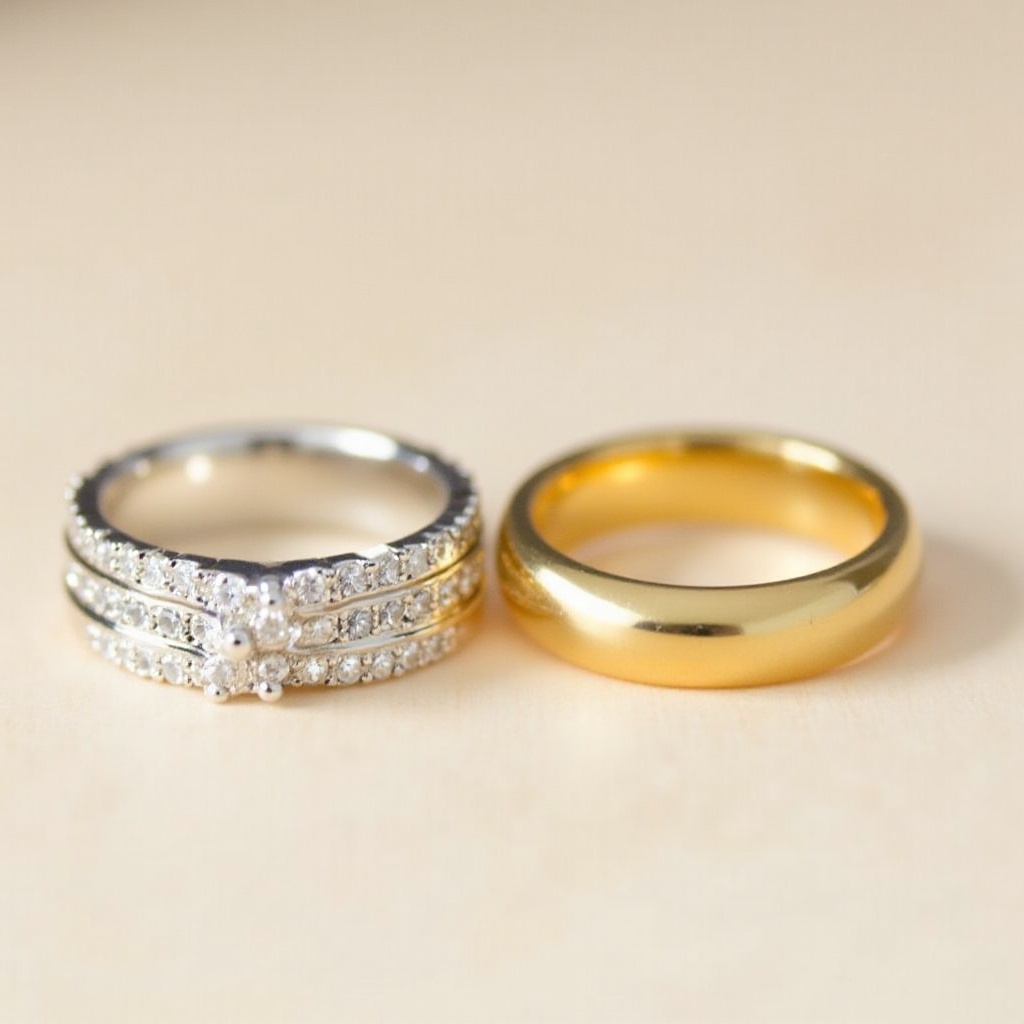
White gold has a modern, sleek, and contemporary look. Its silver-white appearance complements diamonds and other gemstones, making it a popular choice for engagement rings and other fine jewelry. It is also coated with rhodium for an added shine, though this coating can wear off over time and needs reapplication.
Yellow gold, on the other hand, has a classic and timeless appeal. It retains a warm, rich hue and is often associated with luxury and tradition. It’s less prone to tarnishing than white gold and requires minimal maintenance.
Ultimately, the decision between white and yellow gold comes down to the desired aesthetic and long-term care preferences. Yellow gold may be better for those who value tradition and durability, while white gold suits those seeking a more modern and minimalistic look.
Is White Gold More Expensive Than Yellow Gold?
White gold is not inherently more expensive than yellow gold based solely on material. Both are alloys of pure gold mixed with other metals, and their base cost is primarily driven by the current gold market price per gram, which applies equally to both finishes.
White gold can be slightly more expensive at retail because it often includes rhodium plating, which adds extra manufacturing costs and periodic maintenance. This plating enhances brightness but may require reapplication over time, increasing long‑term cost. Yellow gold, with its classic alloy mix, typically requires less finishing work.
In summary, raw material costs are similar, but white gold may carry higher upfront and maintenance costs due to rhodium plating.
Does White Gold Turn Yellow?
White gold can turn yellow over time, primarily due to the wear and tear of its rhodium plating. White gold is naturally a pale yellow hue, but it is plated with rhodium to give it a bright, shiny, white finish. This plating can wear off due to regular use, exposing the yellowish hue of the gold beneath.
If your white gold jewelry begins to look yellow, it may be time to have the rhodium plating reapplied. This is a common part of white gold maintenance and helps restore its original white appearance.
Therefore, while white gold itself doesn’t turn yellow permanently, the rhodium plating can wear off, leading to a yellowish tint unless re-coated.
Yellow Gold Vs White Gold Engagement Ring: Which Should I Choose?
Choosing between a yellow gold and white gold engagement ring depends on your style preferences, lifestyle, and gemstone choice. Yellow gold offers a timeless, warm tone that flatters many skin tones and evokes classic elegance. It pairs beautifully with vintage or traditional settings and generally requires less maintenance since it does not have a plated finish. Yellow gold is ideal if you prefer a rich, iconic look that ages gracefully.
White gold delivers a modern, sleek appearance that enhances the brilliance of diamonds and colored gemstones. Its bright, silvery finish feels contemporary and pairs well with platinum or white metals you may already wear. Be aware that white gold is typically rhodium‑plated, which can wear over time and may need periodic re‑plating to maintain its shine.
Ultimately, choose yellow gold for warmth and tradition, or white gold for a modern, luminous aesthetic that complements diamond sparkle.
Can You Turn White Gold Into Yellow Gold?
It is not possible to turn white gold into yellow gold directly. White gold is an alloy of yellow gold mixed with other metals like palladium or nickel to give it a white appearance. The primary difference between white and yellow gold is the composition of these metals.
To achieve a yellow gold appearance, the white gold would need to undergo a process that removes the rhodium plating (which is often applied to white gold to give it its white shine). However, the inherent alloy of white gold will still have a slightly yellow tint due to the gold content.
If you're looking for a true yellow gold finish, it would require reworking the piece entirely by melting and remaking it with yellow gold alloys. This process is complex and not commonly performed on existing jewelry.
Should I Choose Yellow or White Gold for Engagement Ring?
Choosing between yellow and white gold for an engagement ring depends on your style preferences, skin tone, and lifestyle.
Yellow gold offers a classic, timeless look. Its warm, rich color complements a variety of gemstones, and it pairs well with vintage or traditional ring designs. Yellow gold is also more resistant to scratching and does not require frequent maintenance like white gold.
White gold, with its sleek, modern appearance, enhances the sparkle of diamonds and other gemstones. Its cool, silvery finish works well with contemporary designs and modern aesthetics. However, white gold is usually rhodium-plated, and the plating may wear off over time, requiring periodic reapplication.
If you prefer a more traditional or vintage look, yellow gold might be the better choice. If you’re drawn to a modern, polished style, white gold could be ideal. Consider your lifestyle and maintenance preferences when making the decision.
Can You Wear White and Yellow Gold Together?
Yes, you can wear white and yellow gold together, and it can create a stylish and unique look. Mixing the two metals allows for a blend of warm and cool tones, offering a modern and versatile aesthetic.
Many jewelry designs intentionally combine yellow and white gold in one piece, such as in engagement rings, necklaces, or bracelets. The contrast between the metals can make gemstones and diamonds stand out even more.
When wearing both metals, try to keep the balance in mind. For example, you could wear a white gold engagement ring paired with yellow gold wedding bands, or mix white and yellow gold accessories like earrings and bracelets for a coordinated yet distinct appearance.
Ultimately, the key is ensuring the combination suits your personal style and preferences, allowing you to enjoy both gold colors without any clash.
How to Clean White Gold That Has Turned Yellow?
To clean white gold that has turned yellow, start with a gentle at-home cleaning. Mix warm water with a few drops of mild dish soap, then soak the jewelry for 15–20 minutes. Use a soft toothbrush to gently clean hard-to-reach areas, rinse thoroughly, and dry with a lint-free cloth.
If yellowing persists, it usually means the rhodium plating has worn off rather than surface dirt. In this case, professional rhodium re-plating is the most effective solution. A jeweler can restore the bright white finish and protect the gold underneath.
Avoid harsh chemicals, abrasive cleaners, or toothpaste, as these can accelerate plating wear. Regular gentle cleaning and occasional professional maintenance help keep white gold looking bright and white.
Do Diamonds Look Better in White or Yellow Gold?
Diamonds tend to look better in white gold for most people, as the cool tone of white gold complements the diamond's brilliance, making it appear brighter and more vibrant. The metal’s reflective properties enhance the sparkle of the diamond, giving it a sleek, modern appearance.
Yellow gold, on the other hand, provides a warm, classic backdrop that can add richness to the diamond’s appearance. It’s especially appealing with certain diamond cuts or designs, creating a traditional, vintage look.
Ultimately, the choice between white and yellow gold depends on personal style preferences. White gold offers a contemporary, polished look, while yellow gold provides a timeless, elegant appeal. Both can enhance a diamond’s beauty, but the overall aesthetic varies.
How Can I Do a White Gold Turning Yellow Fix at Home?
To fix white gold that has turned yellow at home, begin by cleaning it gently. Mix warm water with mild dish soap and soak the jewelry for 15–20 minutes. Use a soft toothbrush to remove any dirt or tarnish, especially in hard-to-reach areas. Rinse thoroughly and dry with a soft, lint-free cloth.
If the yellowing is due to rhodium plating wear, this method will not restore the white finish. Unfortunately, rhodium plating, which gives white gold its bright white appearance, requires professional re-plating. This process involves applying a new layer of rhodium to restore the shine and prevent further yellowing.
For ongoing care, regular cleaning at home can help maintain the look of your white gold jewelry, but re-plating should be done by a professional jeweler if needed.
Why Is White Gold More Expensive Than Yellow Gold?
White gold is often more expensive than yellow gold due to the additional metals used in its alloy. White gold is typically made by mixing yellow gold with metals such as palladium, nickel, or silver to achieve its white appearance. These metals are generally more costly than those used in yellow gold, which is primarily made from pure gold mixed with copper or silver.
Furthermore, white gold is usually plated with rhodium, a rare and expensive metal, to enhance its brightness and durability. This extra layer of rhodium plating adds to the cost of white gold jewelry.
While the price of gold itself remains a significant factor, the additional processes and materials involved in creating white gold contribute to its higher price compared to yellow gold.